
Essential Philodendron Care: Your Guide to Thriving philodendrons
3/25/20267 min read
Introduction to Philodendrons
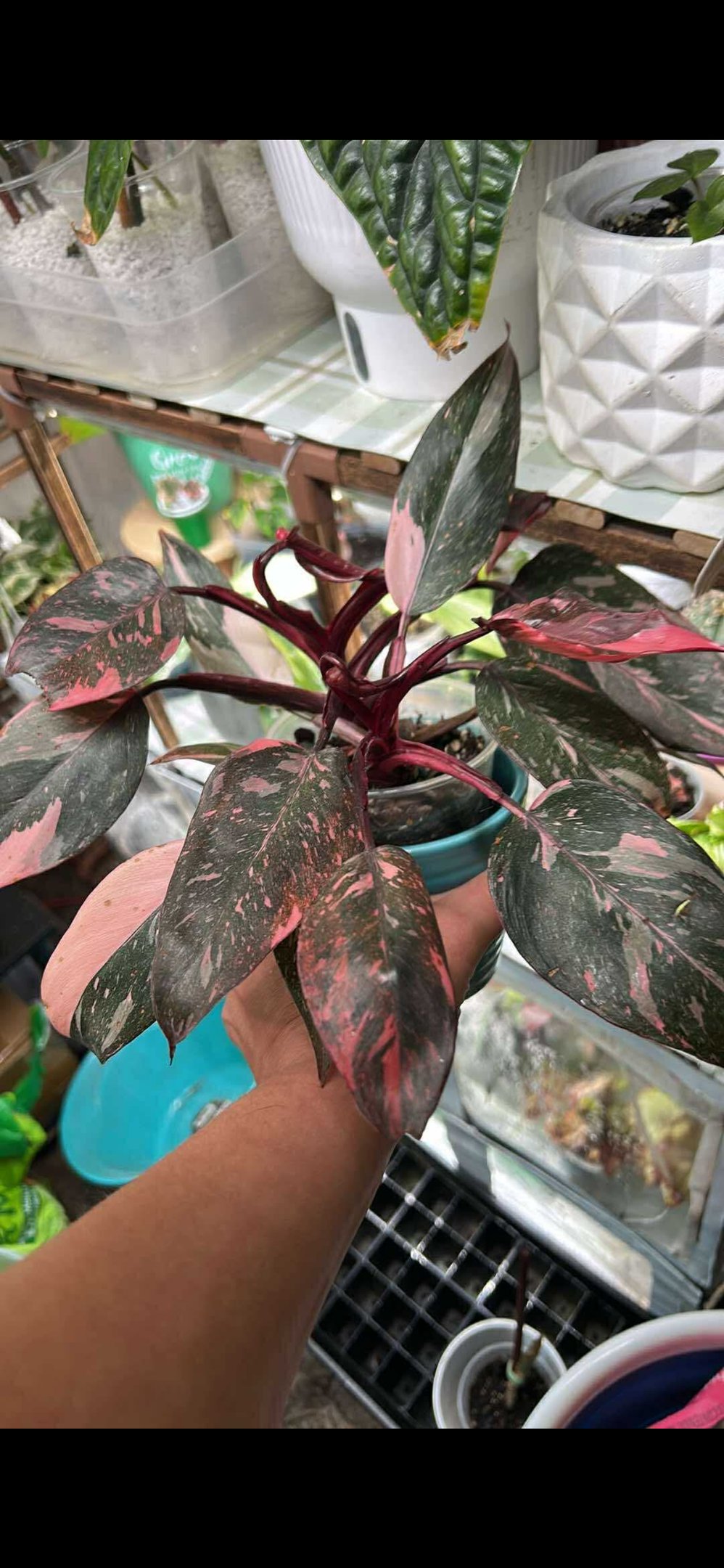
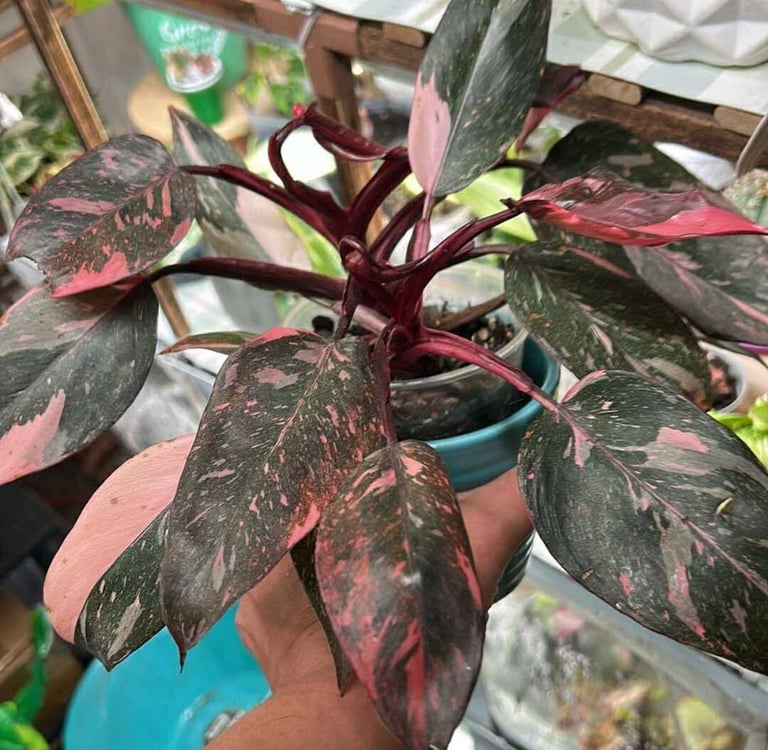
Philodendrons are a diverse genus of flowering plants belonging to the family Araceae, commonly found in tropical regions of South America, particularly in the rainforests of countries such as Colombia and Ecuador. The name "philodendron" is derived from the Greek words "philo," meaning love, and "dendron," meaning tree, reflecting their natural inclination to grow on the trunks of trees in their native habitat. These fascinating plants are noted for their unique foliage and can exhibit a range of leaf shapes, colors, and growth habits.
Philodendrons are characterized by their large, heart- or lance-shaped leaves that can vary in size, with some species reaching impressive dimensions. The vibrant green leaves not only provide a lush aesthetic but also play a pivotal role in air purification, making them an ideal choice for indoor gardening. In addition, their ability to adapt to low light conditions adds to their appeal for home and office environments.
Among the popular varieties of philodendrons, several stand out due to their distinctive features. The "Philodendron bipinnatifidum," commonly known as the tree philodendron, showcases deeply lobed leaves, while the "Philodendron Brasil" captivates with its striking green and yellow variegation. Another favored variety, the "Philodendron Micans," presents velvety leaves that shimmer in the light. These diverse options make philodendrons not just accessible for novice plant owners but also sought after by seasoned horticulturists.
As houseplants, philodendrons offer several benefits, including their hardiness and ease of care. They can tolerate varying humidity levels and only require moderate watering, allowing them to thrive in various indoor environments. Their adaptability, combined with their visual appeal, makes philodendrons a favored choice among indoor gardeners looking to enhance their living spaces.
Ideal Soil Mix for Philodendrons
When it comes to cultivating healthy philodendrons, selecting the right soil mix is crucial. Philodendrons thrive in a well-draining, yet nutrient-retentive soil that closely mimics their natural tropical environment. An ideal soil mix for these houseplants typically consists of three primary components: potting soil, perlite, and orchid bark.
Potting soil forms the base of the mix, providing essential nutrients and organic matter. However, using it alone can lead to poor drainage, which can cause root rot. Therefore, integrating perlite into the mix, usually in a ratio of 2:1 (potting soil to perlite), promotes excellent drainage and aeration. Perlite is a volcanic glass that improves soil structure, allowing roots to breathe, which is essential for optimal growth.
In addition to potting soil and perlite, incorporating orchid bark adds another layer of benefits. This component provides a chunky texture that further enhances drainage while offering nutrients as it decomposes over time. A suitable ratio here could be 1 part orchid bark to 2 parts potting soil and 1 part perlite. This combination effectively retains moisture without staying waterlogged, satisfying the philodendron's preference for mildly moist conditions.
If you prefer pre-mixed options, many gardening retailers offer specialized potting mixes designed for aroids, which include philodendrons. These mixes often contain a blend of peat, perlite, and orchid bark, specifically formulated to meet the needs of tropical plants. However, for those who enjoy DIY projects, creating your own mix ensures tailored soil composition suited to your specific philodendron variety. By combining these components thoughtfully, you can create a thriving environment for your philodendrons.
Watering Needs for Philodendrons
Philodendrons are popular houseplants known for their lush foliage and resilience. To ensure your philodendron thrives, understanding its watering needs is crucial. These plants prefer a moderate watering routine, with the frequency depending largely on environmental conditions such as temperature and humidity levels. Generally, water your philodendron when the top inch of the soil feels dry to the touch. Allowing the topsoil to dry helps to prevent root rot, a common concern among philodendron owners.
It is advisable to water these plants thoroughly, ensuring that water penetrates the entire root ball. When watering, it's essential to use a pot with adequate drainage holes. This allows excess water to escape, preventing stagnation that could lead to overwatering. Signs of overwatering include yellowing leaves and a wilting appearance, which are indicators that the roots may be sitting in waterlogged soil.
Additionally, the moisture level should be closely monitored during different seasons. During the growing season, which typically occurs in spring and summer, philodendrons may require more frequent watering due to increased evaporation rates. In contrast, watering should be reduced during the dormant months of fall and winter, as the plant's requirements decrease when growth slows.
To maintain an optimal moisture balance, consider using a potting mix with good moisture retention properties while also ensuring it drains well. Incorporating perlite or orchid bark into your soil can enhance drainage. Observing your philodendron closely will help you determine its specific watering habits and prevent both overwatering and underwatering, essential factors for a healthy plant.
Nutrient Requirements for Healthy Philodendrons
Philodendrons are renowned for their lush foliage and resilience, but to maintain their vitality, a balanced nutrient regimen is essential. These plants thrive on a variety of nutrients, which can be categorized into macronutrients and micronutrients.
Macronutrients, comprising nitrogen (N), phosphorus (P), and potassium (K), are critical for overall plant health. Nitrogen is vital for leaf growth and a rich green color, while phosphorus supports root development and flower formation. Potassium plays a crucial role in water regulation and disease resistance. Often referred to as NPK, these macronutrients are typically found in commercial fertilizers formulated for houseplants.
In addition to macronutrients, micronutrients such as iron, manganese, zinc, and magnesium are equally important. Though required in smaller quantities, these elements assist in vital processes like chlorophyll production and enzyme function. A complete fertilizer that includes both macronutrients and micronutrients can be beneficial for philodendrons.
When it comes to fertilizing philodendrons, frequency and formulation can vary based on the season and growth phase. During the growing season—spring and summer—applying a balanced liquid fertilizer every 4-6 weeks can promote robust growth. Conversely, during the dormant seasons of fall and winter, the need for nutrients diminishes, and fertilization can be reduced or even halted altogether.
Ensure that you monitor your philodendron's growth and adjust your fertilization schedule accordingly. Signs of nutrient deficiency may include yellowing leaves or stunted growth. By providing a well-rounded nutrient profile tailored to seasonal needs, you can ensure your philodendrons flourish and maintain their characteristic vibrancy.
Humidity and Temperature Preferences
Philodendrons are known for their lush foliage and adaptability, but to truly thrive, they require specific humidity and temperature conditions. Ideally, these houseplants flourish in environments with humidity levels ranging from 40% to 70%. Factors such as indoor heating and air conditioning can significantly affect humidity levels, especially during the winter months or in arid climates. To maintain optimal humidity for your philodendrons, consider using a humidifier or placing a tray of water with pebbles beneath the plant pot to increase moisture in the surrounding air.
Moreover, regularly misting the leaves can also help boost humidity levels. However, be cautious not to overdo it, as excessive moisture on the leaves can lead to fungal issues. During particularly dry seasons, grouping plants together can create a microclimate with elevated humidity, benefiting all houseplants in the vicinity.
As for temperature, philodendrons thrive in temperatures between 65°F and 80°F (18°C to 27°C). Sudden temperature fluctuations or drafts can be detrimental to their health. It is essential to place your philodendron away from exterior doors, windows, or heating vents to minimize exposure to cold drafts or excessive heat. During the winter months, ensure that nighttime temperatures do not drop below 60°F (15°C), as cooler conditions can hinder growth and affect the overall vitality of these plants.
In summary, maintaining appropriate humidity and temperature conditions is crucial for the successful care of philodendrons. By monitoring the indoor climate and making necessary adjustments, you can create an environment where these houseplants can truly thrive, showcasing their beautiful foliage for years to come.
Pest and Disease Management
Philodendrons, celebrated for their lush foliage and adaptability, can be susceptible to various pests and diseases that may hinder their growth and vibrancy. Recognizing and managing these issues promptly can help maintain the health of your beloved houseplants.
Common pests include aphids, spider mites, and mealybugs. Aphids are small, soft-bodied insects that cluster on new growth, sucking sap and potentially transmitting diseases. Spider mites are tiny arachnids that can cause stippling on leaves and webs on stems, while mealybugs appear as white, cottony masses on the plant's surface. To combat these pests, it is essential to inspect your philodendrons regularly.
When infestations are identified, natural solutions such as insecticidal soap, neem oil, or a simple mixture of water with a few drops of dish soap can be effective. These organic methods can disrupt the life cycle of pests without harming beneficial insects. Additionally, introducing natural predators such as ladybugs or lacewings can help control pest populations in a thriving indoor ecosystem.
Fungal and bacterial diseases may also affect philodendrons. The most prevalent fungal disease is root rot, often caused by overwatering, which leads to wilting, yellowing leaves, and eventual plant death. Preventive measures include ensuring proper drainage and allowing the soil to dry out between waterings. Another disease to be cautious of is bacterial leaf spot, characterized by dark, water-soaked lesions on leaves. Maintaining good air circulation around the plant and avoiding overhead watering can significantly reduce the chances of disease occurrence.
In conclusion, effective pest and disease management is critical for philodendron health. Regular monitoring and utilizing organic solutions will promote robust and thriving plants. Remember, an integrated approach combining prevention and control measures can ensure your philodendron continues to flourish in your living space.
Propagation of Philodendrons
Philodendrons are renowned for their resilience and diverse foliage, making them a favorite among plant enthusiasts. Propagating these houseplants allows you to expand your collection or share them with fellow plant lovers. There are two primary methods for propagating philodendrons: stem cuttings and division. Below, we will explore both approaches in detail.
Stem Cuttings: This is the most straightforward method. Begin by selecting a healthy stem with at least one node (the point from which leaves emerge). Using a clean, sharp knife or scissors, cut about 4-6 inches from the tip of the stem. Ensure that the cutting has at least one leaf and a node, as this will be crucial for successful rooting.
Next, you can propagate the cuttings in water or soil. If using water, place the cutting in a clear container, ensuring the node is submerged but the leaves are above the waterline. Change the water every few days to prevent stagnation. Roots will begin to emerge in a couple of weeks. Once the roots are about 2-3 inches long, transfer the cutting to a pot with well-draining soil.
For soil propagation, plant the cutting directly into a small pot filled with moist potting mix, ensuring that the node is buried. Water lightly and cover the pot with a plastic bag or a humidity dome to retain moisture. This creates a mini-greenhouse effect, enhancing humidity and facilitating root growth. Keep the soil consistently moist but not soggy.
Division: This method is suitable for mature plants. Gently remove the plant from its pot and inspect the root ball. Look for natural separations or clusters within the roots. Use your hands or a clean spade to split the root ball into sections, ensuring that each section has roots and leaves. Transplant these divisions into their own pots with fresh potting soil, and water thoroughly to settle the soil around the roots.
Regardless of the propagation method, provide your new plants with bright, indirect light and maintain humidity. Monitor the moisture levels closely, as newly propagated plants are sensitive to both drought and overwatering. Following these steps will ensure that your philodendrons thrive as they establish their new roots.