
The Ultimate Guide to Begonia Care: Exploring Semi-Hydroponics with Different Types
3/25/20268 min read
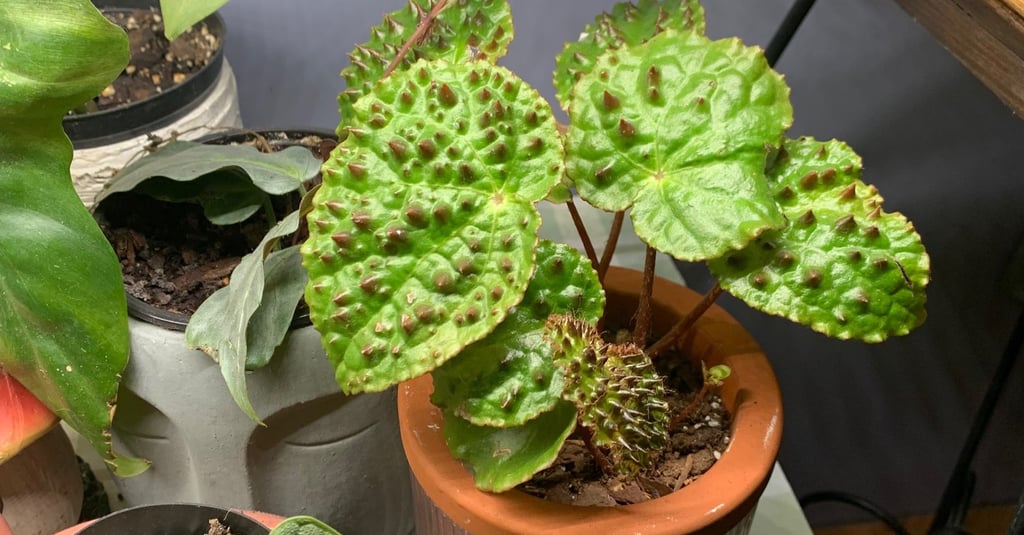
Introduction to Begonias
Begonias have become a popular choice for houseplant enthusiasts due to their diverse array of species, vibrant foliage, and captivating flowers. These delightful plants are not only visually appealing but also relatively easy to care for, making them suitable for both novice and experienced gardeners. There are over 1,800 recognized species of begonias, each showcasing unique leaf shapes, colors, and flowering habits. This diversity allows for an extensive selection that can cater to various aesthetic preferences and interior designs.
In their natural habitats, begonias thrive in a range of environments, often found in tropical and subtropical regions. These plants are primarily indigenous to Central and South America, Africa, and parts of Asia, where they typically grow in shady, humid conditions. As understory plants, begonias have adapted to survive in lower light levels, which is an important consideration for indoor growing. Their growth in environments ranging from rainforests to mountainous regions demonstrates their versatility in adapting to different humidity levels and temperatures, making them resilient additions to homes. But i will say the higher their light the more vibrant the color of the leaves appear.
Their stunning foliage is one of the key features that attract plant enthusiasts. Many begonias exhibit intricate leaf patterns, striking colors, and varying textures, which contribute to their ornamental value. In addition to their leaves, begonia flowers can be quite impressive, appearing in shades of pink, red, white, and yellow, providing seasonal interest. Understanding the specific needs and growth conditions of different begonia types lays the foundation for effective care techniques. When cultivated properly, begonias can flourish indoors, bringing a touch of nature's beauty into our living spaces.
Understanding Different Types of Begonias
Begonias represent a diverse genus of flowering plants, with over a thousand species collectively known for their vibrant foliage and colorful blooms. Among the most notable types are Rex, Fibrous-rooted, and Tuberous begonias, each exhibiting unique characteristics that influence their cultivation and care.
Rex begonias, characterized by their extraordinary leaf patterns and colors, make vibrant houseplants. They thrive in high-light conditions, requiring consistently moist soil and good humidity. The intricate leaf shapes and hues are striking, designed to attract attention. However, it is essential to monitor their watering carefully, as overwatering can lead to root rot. When incorporating Rex begonias into a semi-hydroponic setup, it is crucial to ensure adequate drainage and moisture retention to maintain their vibrant foliage.
Fibrous-rooted begonias, on the other hand, are best exemplified by the popular wax begonia. This type features a robust fibrous root system that allows them to adapt well to various growing conditions. Their care routine typically involves regular watering, particularly during the growing season, and they prefer bright, indirect sunlight. These begonias are versatile and often used in both indoor and outdoor settings. In semi-hydroponics, fibrous-rooted begonias benefit from the consistent moisture level provided by the setup, encouraging healthy growth.
Lastly, Tuberous begonias are known for their spectacular flowers, often used in ornamental gardening. With fleshy tubers that store nutrients, they require a period of dormancy, and their care involves careful pruning and specific watering practices during active growth stages. When grown in semi-hydroponic environments, proper attention to the watering schedule during dormancy and growth phases is essential to maximize blooming potential.
By understanding these different types of begonias and their specific needs, growers can create suitable environments that enhance growth and vibrancy, particularly in semi-hydroponic setups.
What is Semi-Hydroponics?
Semi-hydroponics represents a method of plant cultivation that diverges from traditional soil gardening by utilizing a soilless medium to foster growth. This technique employs an inert growing medium, such as clay pebbles or perlite, which provides structural support while allowing for excellent drainage and aeration. Unlike conventional soil gardening, where the roots absorb water and nutrients from the soil, semi-hydroponics focuses on enabling the roots to directly access a nutrient-rich solution. This approach can lead to healthier plants with more efficient nutrient uptake.
The principles of semi-hydroponics revolve around the management of moisture and nutrients. By maintaining a water reservoir at the bottom of the container, growers can ensure that the roots are consistently hydrated without the risk of over-saturation, which is common in traditional soil systems. The roots draw up moisture from the reservoir while beneficial microorganisms in the substrate aid in nutrient absorption. This method not only conserves water but also promotes root health, significantly reducing the risk of root rot.
Utilizing semi-hydroponics for growing begonias offers multiple benefits. For one, it simplifies watering routines, as the plants can be watered less frequently due to the reservoir system. Moreover, this method decreases the likelihood of pests and soil-borne diseases, which often thrive in traditional soil environments. Begonias grown in semi-hydroponic systems tend to exhibit improved growth rates and vibrant foliage, attributable to their enhanced ability to access oxygen and nutrients. In essence, semi-hydroponics provides an innovative alternative for plant care, particularly suited to the specific needs of begonias.
Preparing for Semi-Hydroponic Begonia Care
Transitioning your begonias to a semi-hydroponic system requires meticulous preparation to ensure the plants thrive in their new environment. The first step is selecting the appropriate containers that promote proper drainage while accommodating the growing needs of the begonia species you have chosen. Containers with clear sides allow for easy monitoring of root development and moisture levels, which is crucial in a semi-hydroponic arrangement.
>>>
Once you have the right containers, it is essential to choose a suitable substrate. Unlike traditional potting soils, semi-hydroponic growing mediums typically include materials like LECA (lightweight expanded clay aggregate), perlite, or coconut coir. These substrates provide excellent aeration and drainage, facilitating the efficient moisture retention needed by begonias. Before planting, rinse these substrates well to remove any residual dust and debris that may hinder root development.
>>>
Transferring begonias from their existing medium to a semi-hydroponic setup necessitates careful handling. Gently remove the plant from its current pot, taking care to shake off the soil without damaging the delicate roots. After removal, prune any dead or damaged roots to encourage healthy growth in the new system. Plant the begonia into the prepared container filled with your chosen substrate, ensuring the root system is adequately supported and well-distributed.
Watering in a semi-hydroponic system differs markedly from traditional care. Initially, water the substrate thoroughly to help the begonia acclimatize. Thereafter, monitor the moisture levels closely; it is critical to avoid overwatering, which can lead to root rot. Regularly check the water reservoir if a wicking system is used, and maintain nutrient levels according to the specific requirements of your begonia species, typically every few weeks, using a diluted liquid fertilizer to support growth.
Caring for Begonias in Semi-Hydroponics
Begonias thrive in semi-hydroponic systems, but ongoing care is crucial for their health and growth. One of the most important factors to consider is lighting. Begonias generally prefer bright, indirect sunlight. Direct sunlight can scorch their leaves, while insufficient light may inhibit growth. Placing them near east or north-facing windows, or using grow lights, can provide the optimal lighting conditions.
>>> My favorite lights to use for my plants, you can get right here on Amazon
Temperature also plays a significant role in ensuring that begonias flourish. These plants tend to perform best in temperatures ranging from 65°F to 75°F (18°C to 24°C). Temperatures dropping below 60°F (15°C) can stress the plant, negatively impacting its growth. It’s advisable to keep them away from drafts and sudden temperature fluctuations.
>>> My favorite humidifier for my plants right here on Amazon.
Watering frequency is another critical aspect of begonias in semi-hydroponics. Unlike traditional soil gardening, this method allows for better moisture management. It's essential to maintain consistent moisture levels in the growing medium. Typically, you should check the water reservoir weekly and refill it as needed, ensuring that it is not completely dry or overly saturated. A good practice is to monitor the plant for signs of dehydration—such as drooping leaves or wilting—as indicators of watering needs.
Fertilizing routines should also be tailored for begonias in semi-hydroponics. A balanced, water-soluble fertilizer, diluted to half strength, can be applied every two to four weeks during the growing season. This feeding schedule encourages robust growth and vibrant blooms.
Lastly, monitoring the health of your begonias is essential. Regularly inspect the leaves for signs of pests or diseases, such as yellowing leaves or unusual spots, and promptly address any issues found. Ensuring that these care guidelines are adhered to will promote the successful growth of begonias in a semi-hydroponic setting. Proper care will not only enhance their beauty but also contribute to longer plant life.
Common Challenges and Solutions
Caring for begonias in semi-hydroponics can present a unique set of challenges that necessitate attentive management. One prevalent issue is root rot, which typically arises due to excessive moisture in the growing medium. Root rot is particularly insidious as it compromises the plant's ability to absorb water and nutrients effectively. To mitigate the risk of this condition, ensure that the growing medium allows for adequate drainage and aeration. Utilizing a mixture of expanded clay pellets and perlite can enhance airflow around the roots, promoting healthier growth.
Overwatering is another common challenge faced by growers. In a semi-hydroponic setup, it can be tempting to water begonias frequently, but this can lead to waterlogged conditions and subsequently root rot. It is advisable to monitor the moisture levels closely and adopt a watering schedule that aligns with the plant's specific requirements. Utilizing a moisture meter can prove beneficial in determining when it is necessary to water, preventing the adverse effects that result from inconsistent watering practices.
Nutrient deficiencies may also arise in semi-hydroponic systems, especially if the nutrient solution is not balanced correctly. Begonias require a variety of essential nutrients, and a deficiency in any one of these can impact their growth and flowering potential. Regularly test the nutrient solution and adjust the formulation as needed, ensuring it meets the specific needs of begonias. Additionally, incorporating a nutrient-rich fertilizer designed for semi-hydroponic environments can provide the necessary macro and micronutrients to support robust plant development.
>>> My favorite nutrients to add to my water for my plants are found here on Amazon.
By proactively addressing these challenges, such as root rot, overwatering, and nutrient deficiencies, growers can enhance the health and vigor of their begonia plants, creating a thriving semi-hydroponic environment.
Conclusion and Final Tips
In summarizing the key elements discussed in this comprehensive guide to begonia care, it is essential to highlight the significant advantages of utilizing a semi-hydroponics method for these vibrant plants. This cultivation technique not only provides optimal moisture levels but also ensures improved aeration and nutrient uptake, promoting healthier and more resilient begonias.
As we explored various types of begonias available, it became evident that each variety possesses unique characteristics that can thrive under the semi-hydroponic system. Whether it is the traditional waxy leaves or the striking patterns of the Rex begonia, individuals can find specific care methods that cater to their favorite species. This adaptability allows for a personalized approach to plant care, ensuring that each begonia receives the attention it deserves.
To achieve success in your semi-hydroponic journey with begonias, consider implementing a few final tips. First, maintain consistent water levels in your reservoir, checking regularly to avoid both overwatering and underwatering. In addition, provide adequate light conditions tailored to the specific requirements of your begonia type—some species flourish in bright, indirect sunlight while others may prefer shadier environments.
Furthermore, don’t shy away from experimenting with nutrient solutions. Adjusting strengths based on the growth stages of your begonias can yield remarkable results. Finally, documenting your experiences and sharing them with the gardening community can not only offer insights to others but also enhance your understanding of the begonia care spectrum.
By embracing the semi-hydroponics technique and remaining open to continual learning, you will undoubtedly cultivate a thriving collection of begonias, plus some additional plant experience and knowledge that will bring joy and beauty to your home.