
Essential Care Tips and Tricks for Monstera Plants
3/24/20267 min read
Understanding Monstera: An Introduction to These Unique Plants
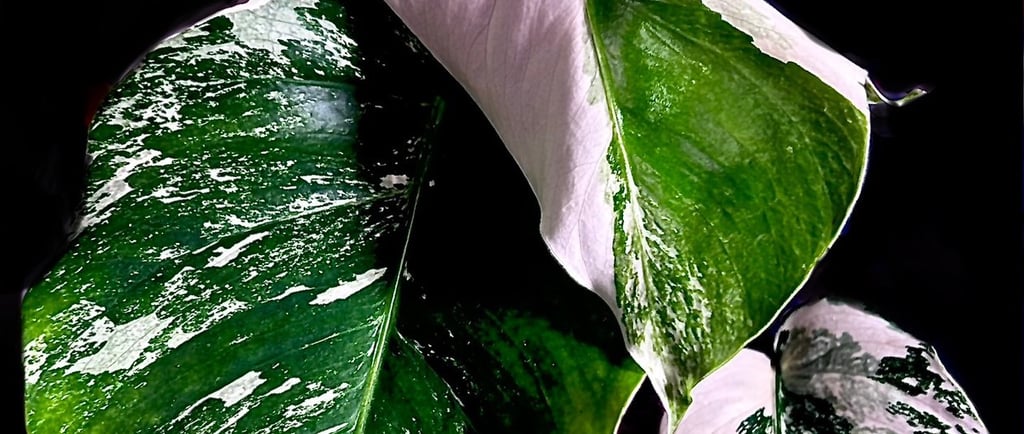
Monstera plants, specifically Monstera deliciosa, are renowned for their captivating appearance and distinctive foliage. Native to the tropical rainforests of Central America, these plants thrive in warm, humid environments, making them ideal choices for indoor spaces. Their large, glossy leaves feature characteristic splits and holes, a unique adaptation that aids in the plant's survival by allowing sunlight to penetrate through the canopy to lower vegetation.
These plants have become increasingly popular among houseplant enthusiasts due to their striking look and relatively low maintenance. Monstera’s bold leaves can add a touch of the tropics to any home decor, appealing to a broad range of aesthetic preferences. As a climbing plant, Monstera naturally thrives by latching onto trees in its natural habitat, which influences the way it should be cared for in a domestic setting. Providing a sturdy support structure replicates its native climbing tendencies and allows for optimal growth.
Understanding Monstera care involves recognizing the natural conditions in which these plants flourish. They prefer bright, indirect light, although they can tolerate lower light conditions, hindering their growth and the characteristic leaf fenestrations. Consistent humidity levels and warm temperatures are equally crucial, as they resemble the moist atmosphere of their tropical homes. Regular watering that fosters a well-draining environment ensures the roots remain healthy without risking rot.
In summary, Monstera plants are not only aesthetically appealing but also represent a unique blend of nature’s design and adaptability. Their requirements reflect their natural habitat, where they grow as understory plants in lush rainforests. By understanding these elements, plant owners can provide the appropriate care and conditions necessary for their Monstera to thrive, leading to vibrant growth and enjoyment for years to come.
Choosing the Right Soil for Your Monstera
Selecting appropriate soil is vital for the healthy growth of Monstera plants. These tropical plants thrive best in well-draining, loose potting mixes that facilitate air circulation while retaining the necessary moisture. A suitable soil mix not only supports healthy root development but also minimizes the risk of root rot, a common issue for this species.
A quality commercial potting mix specifically designed for houseplants is often a good choice. Look for options that contain a blend of peat moss, pine bark, and perlite, as these components contribute to a light and airy structure. These ingredients allow excess water to drain freely while ensuring that the soil remains moist enough for the plant's needs.
>>> My favorite android mixes right here on Amazon. https://amzn.to/4897dXl
For those who prefer to create a homemade soil mix, combining potting soil with perlite or coarse sand can be effective. A common recipe includes one part potting soil, one part perlite, and one part orchid bark. This blend supports adequate drainage while providing essentials for moisture retention and air circulation, which are crucial for Monstera roots.
>>> My favorite perlite here on Amazon. https://amzn.to/4d7szrF
In addition, the pH level of the soil can influence nutrient availability—aim for a slightly acidic to neutral pH (around 5.5 to 7.0) to optimize growth. Using organic matter, such as compost or worm castings, can further enhance soil health, providing nutrients that match the Monstera's growth requirements.
Ultimately, whether utilizing a commercial product or mixing your own, ensuring that the soil for your Monstera is well-draining yet retaining enough moisture will result in a thriving and healthy plant. Taking these soil considerations into account will support the lush growth and vibrant energy of your Monstera for years to come.
Optimal Watering Practices for Thriving Monsteras
Proper watering techniques are crucial for ensuring the health and vitality of Monstera plants. These tropical beauties, known for their dramatic foliage, thrive best in an environment that mimics their native conditions. Understanding the specific watering needs of your Monstera will contribute significantly to its growth and overall well-being.
One of the most critical aspects of caring for a Monstera is to avoid both overwatering and underwatering. Overwatering can lead to root rot, which is characterized by yellowing leaves, wilting, and a general decline in plant health. In contrast, signs of underwatering generally include browning leaf tips, drooping foliage, and a stunted growth rate. A healthy balance must be struck, allowing the soil to dry out slightly between watering sessions.
Establishing a watering schedule based on environmental factors is essential. Factors like temperature, humidity, and the size of the pot will influence how often you need to water your Monstera. Typically, watering once every one to two weeks should suffice, but it's important to check the top inch of the soil with your finger; if it feels dry, it’s time to water again.
During the growing season, which usually spans from spring to summer, Monsteras may require more frequent watering due to increased evaporation and absorption rates. In contrast, during the dormant fall and winter months, reduce the frequency of watering as the plant's metabolic processes slow down. Always ensure that pots have adequate drainage holes to prevent water from lingering at the bottom, as proper drainage is vital for maintaining healthy root systems.
Finding the Perfect Light Conditions
Monstera plants, known for their striking leaves and adaptability, thrive best under specific light conditions. Understanding the light requirements of these tropical beauties is essential for optimal growth. Monsteras prefer bright, indirect sunlight, which mimics the dappled sunlight they would receive in their native rainforest habitats. Locations near east-facing windows are often ideal as they provide a gentle morning light that can energize the plant without causing stress.
Direct sunlight, particularly during the afternoon hours, can scorch the leaves of a Monstera, leading to brown tips and a diminished aesthetic appeal. While these plants have some tolerance for lower light conditions, prolonged exposure to insufficient light can hinder their growth, leading to smaller leaves and a lanky appearance. As a result, it is crucial to monitor the light exposure and adjust accordingly, moving the plant closer or further away from windows depending on the strength of the sunlight.
In homes where natural light is limited, utilizing artificial grow lights can also be effective. Full-spectrum LED grow lights can supplement the plant's light needs, ensuring that it receives adequate energy for photosynthesis. Positioning the plant approximately 12 to 24 inches away from these lights usually provides a beneficial balance, allowing it to thrive without burning its foliage.
>>> My favorite grow lights right here on Amazon. https://amzn.to/47mEJt3 https://amzn.to/4szRnxl https://amzn.to/4sqTUd3
In conclusion, achieving the right light conditions for your Monstera plant will promote healthy growth and vibrant foliage. Understanding the impact of both direct and indirect sunlight is paramount to ensuring that your plant flourishes. Regular monitoring and adjusting the plant's location or light source will greatly enhance its vitality and aesthetic appeal.
Essential Nutrients for Your Monstera's Growth
To ensure optimal growth and health of your Monstera plant, it is crucial to provide it with the right nutrients. The primary nutrients that Monsteras require include nitrogen, phosphorus, and potassium, often referred to as NPK. Nitrogen is essential for foliage growth, phosphorus aids in root development and flowering, while potassium contributes to overall plant health, including disease resistance and fruit production.
In addition to these macronutrients, Monsteras also benefit from micronutrients such as magnesium, calcium, sulfur, iron, and manganese. These elements play vital roles in various physiological processes, including photosynthesis and enzyme function, thus promoting the overall vigor of the plant.
When it comes to selecting a fertilizer, you have multiple options: liquid, granular, and organic. Liquid fertilizers, which are water-soluble, are quickly absorbed and can be applied every two to four weeks during the growing season. Granular fertilizers, on the other hand, are slow-release and typically provide nutrients over extended periods; they can be applied every two to three months. Organic fertilizers, such as compost or worm castings, enrich the soil and improve its texture while gradually releasing nutrients. They are a great choice for those who prefer a natural approach to plant care.
It is important to consider the timing of fertilizer application as well. Typically, fertilizing should occur during the active growing season of spring and summer. During the fall and winter months, when growth slows down, it is advisable to reduce fertilization frequency or omit it entirely to prevent nutrient buildup and potential root burn.
Pest Management: Keeping Your Monstera Healthy
Monstera plants, known for their distinctive split leaves and lush appearance, can occasionally fall victim to pests that threaten their well-being. Identifying these pests is essential for ensuring the plant thrives. Common pests affecting Monstera include spider mites, aphids, and mealybugs. Spider mites are difficult to spot, but look for fine webbing and stippled leaves as signs of infestation. Aphids and mealybugs can often be seen clustering on fresh growth or the undersides of leaves. Regularly inspecting your plant is paramount to catching these pests early.
To manage pests effectively, an integrated approach should be employed. For mild infestations, a mixture of water and mild soap can be an effective treatment. Spray the afflicted areas, ensuring you cover both the tops and undersides of the leaves. This method suffocates pests and can help prevent their spread. Additionally, you may opt to use neem oil, which is a natural insecticide that deters a variety of pests while being gentle on your Monstera.
Preventive measures are crucial to keep your Monstera free from pests. Maintain optimal growing conditions by providing adequate humidity and ensuring proper air circulation. Regular cleaning of the leaves with a damp cloth can help remove dust, making it harder for pests to establish themselves. Avoid overcrowding your Monstera with other plants since this can facilitate pest transfer. Incorporating beneficial insects such as ladybugs in your gardening routine can also establish a natural defense against undesirable pests.
Incorporating these pest management techniques into your Monstera care routine will help ensure that your plant remains healthy and vibrant. Keeping a close eye on your plant's condition and taking prompt action will prove invaluable in maintaining a thriving Monstera free of harmful pests.
Signs Your Monstera is Thriving or Struggling
Monstera plants, known for their distinct leaves and easy care requirements, are popular among plant enthusiasts. However, understanding the signs of a thriving or struggling Monstera is vital for ensuring its health. When a Monstera is flourishing, you will notice vibrant green leaves, robust growth, and the characteristic splits and holes that define the plant's unique foliage. Such characteristics indicate that the plant is receiving adequate light, moisture, and nutrients.
Conversely, if your Monstera begins to exhibit yellowing leaves, it may signal several potential issues. Yellowing can often arise from overwatering, which leads to root rot, or insufficient light. In the case of overwatering, it is crucial to check the soil moisture and provide proper drainage. If light is insufficient, consider relocating your plant to a brighter but indirect lighting area to encourage leaf health.
Stunted growth is another indicator of distress in Monstera plants. This might occur due to nutrient deficiencies or inappropriate pot size. Regular fertilization during the growing season typically supports healthy development. However, if the plant outgrows its container, repotting into a larger pot with fresh soil can be beneficial, promoting growth by allowing the roots to spread and take in essential nutrients more effectively.
Leaf drop, especially in healthier Monstera plants, can indicate stress from environmental changes, such as sudden temperature fluctuations or underwatering. Addressing these conditions promptly is essential. Maintain a stable environment where temperatures remain between 65°F to 85°F and ensure consistent watering without allowing the soil to dry out completely.