
A Comprehensive Guide to Setting Up Your Alocasias in Semi Hydroponics
3/24/20267 min read
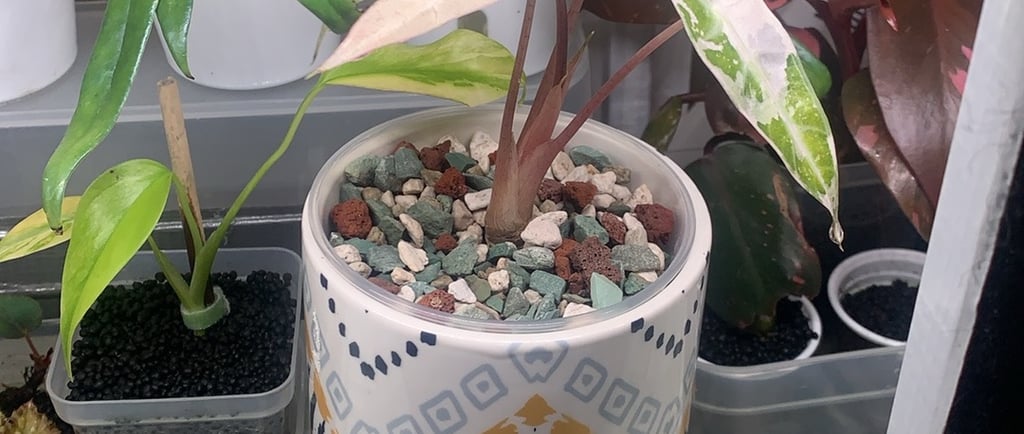
Introduction to Alocasias and Semi Hydroponics
Alocasias are captivating houseplants that belong to the family Araceae. Known for their lush and dramatic foliage, they have gained popularity among plant enthusiasts. These tropical plants are characterized by their large, arrowhead-shaped leaves that often exhibit striking patterns and variegation. Some common varieties include Alocasia Polly and Alocasia Zebrina, each showcasing its unique aesthetic appeal. Apart from their ornamental value, Alocasias are also recognized for their air-purifying properties, adding both beauty and functionality to indoor spaces.
Semi hydroponics is a growing method that combines traditional soil gardening techniques with hydroponic practices. This system typically employs a mix of inorganic materials, such as clay pellets, lava rock, or perlite, alongside water and nutrient solutions to nourish the plants. By providing a controlled environment, semi hydroponics encourages optimal growth conditions, allowing plants to thrive without the constraints of soil-bound disadvantages like compacting and poor drainage.
The benefits of using semi hydroponics for growing Alocasias are manifold. Firstly, this method promotes enhanced aeration to the root system, which is crucial for preventing root rot—a common issue when growing these sensitive plants in traditional soil. Additionally, the semi hydroponic setup allows for precise control over nutrient delivery, ensuring that Alocasias receive an adequate and consistent supply of essential elements. This approach results in healthier plants that exhibit vibrant foliage and improved growth rates.
Moreover, semi hydroponics facilitates ease of maintenance, as the substrate does not retain water like soil, reducing the frequency of watering. This is particularly beneficial for Alocasias, which prefer to dry out slightly between watering due to their susceptibility to overwatering. Therefore, semi hydroponics presents a compelling method for cultivating Alocasias, allowing plant lovers to enjoy these stunning specimens with less effort and enhanced results.
Choosing the Right Semi Hydroponic Substrate
When setting up Alocasias in a semi hydroponic system, selecting the appropriate substrate is crucial for their health and growth. One prominent choice in this realm is the pon mix, a combination of materials known for their ability to retain moisture while providing excellent aeration. A proper substrate is fundamental for the root structure of Alocasias, as it helps facilitate nutrient uptake while preventing root rot.
>>> Some of my favorites you can get right here on Amazon. https://amzn.to/3Pqx1YI
Pon mix typically consists of a blend of inorganic and organic components such as expanded clay pellets, perlite, and pine bark. The clay pellets promote drainage and aeration, crucial for moist conditions without the risk of oversaturation. Perlite enhances aeration and is lightweight, allowing for easy handling when potting or repotting. Pine bark, on the other hand, contributes organic matter that retains moisture effectively, creating an optimal environment for Alocasia roots.
When selecting or creating your own semi hydroponic substrate, consider the specific needs of your Alocasias. Successful growth is characterized by roots that are neither too dry nor too waterlogged. Customizing your mix can help achieve this balance; for instance, using varying ratios of expanded clay and perlite can significantly affect water retention based on your environmental conditions. Additionally, incorporating a high-quality fertilizer into your substrate can support vigorous root growth and overall plant health.
Ultimately, the right substrate blend plays a key role in ensuring your Alocasias thrive in a semi hydroponic system. By prioritizing components that enhance aeration and moisture retention, you will create an environment that supports healthy root development and encourages your plants to flourish.
>>> Great choice for leca right on Amazon here. https://amzn.to/47QtMjs
Step-by-Step Setup of Alocasias in Semi Hydroponics
Setting up Alocasias in a semi hydroponic environment requires careful planning and execution. The first step is to select appropriate containers. Choose containers that have drainage holes to help manage excess water while retaining moisture. Net pots or transparent plastic containers work excellently, as they allow for visibility of root development and prevent waterlogging. Ensure that the chosen container has sufficient depth to accommodate the Alocasia's root system.
>>>> Some of my favorite starter pots right on Amazon! https://amzn.to/3PWDDy0
Next, the substrate preparation is crucial for the success of your setup. Semi hydroponics typically utilizes materials such as LECA (Lightweight Expanded Clay Aggregate) or other inert mediums like pumice. Begin by rinsing the substrate thoroughly to remove any dust or debris, allowing for optimal water flow and air retention. Fill the container with a layer of this substrate to a depth that supports the plant while allowing for adequate drainage.
The proper planting technique is vital for ensuring that your Alocasias establish well in their new environment. Start by gently removing the plant from its original pot, being careful not to damage the roots. If needed, trim any brown or mushy roots to promote healthy growth. Place the Alocasia into the prepared container, ensuring that the rhizome is just above the substrate surface, allowing for airflow to the roots. Once the plant is positioned, gently fill in around the roots with the substrate, making sure not to compact it too tightly, as this may hinder root growth.
After planting, thoroughly water the substrate until it is moist but not soggy. Allow excess water to drain out of the container. Maintain a consistent watering schedule, ensuring that the substrate remains damp but not overly saturated. With these steps, your Alocasias will be set up for success in their semi hydroponic environment, promoting healthy growth and vibrant foliage.
Understanding Light Requirements for Alocasias
Alocasias are tropical plants that thrive in environments that mimic their natural habitat, which often consists of filtered, bright light beneath a canopy. Hence, understanding their light requirements is crucial for successful semi-hydroponic cultivation. Generally, Alocasias flourish with moderate to bright indirect light. Direct sunlight can lead to leaf burn and other complications; therefore, it is important to avoid placing them in areas with harsh sunlight exposure.
For optimal growth, position your Alocasias about 2 to 3 feet away from west or east-facing windows to benefit from bright indirect light. Additionally, it’s essential to ensure a well-lit environment, particularly during winter months when natural light can diminish. In such cases, the use of grow lights becomes beneficial.
When considering grow lights, full-spectrum LED lights are highly recommended. These lights provide a balanced spectrum that not only encourages healthy foliage growth but also helps in maintaining the vibrant coloration that Alocasias are known for. Ideally, the grow lights should be set on a timer to provide around 12 to 14 hours of light daily, mimicking natural daylight. This duration will help in promoting the necessary photosynthetic processes that are vital for the plant's health.
Moreover, regular monitoring of your Alocasias is advisable. Observe the growth of new leaves and the overall plant structure. If you notice that the plants are becoming leggy, or if leaves are stretching towards the light source, this may indicate insufficient light levels. Ensuring appropriate lighting conditions not only promotes robust growth but also helps prevent common issues such as weak stems and unhealthy foliage.
>>> Some of my favorite lights right here off of Amazon! https://amzn.to/488wctR https://amzn.to/40Vb5r5 https://amzn.to/3NZdv55 https://amzn.to/4t6HAia https://amzn.to/4bxwH32
Humidity and Temperature Needs of Alocasias
Alocasias, renowned for their attractive foliage and striking appearance, thrive in specific environmental conditions that mimic their native tropical habitats. Understanding their humidity and temperature requirements is crucial for the successful cultivation of these beautiful houseplants in a semi-hydroponic setup. Ideally, Alocasias flourish in humidity levels ranging from 60% to 80%. To maintain such humidity in an indoor setting, several strategies can be employed. One effective approach is to utilize a humidifier, particularly during dry seasons or in arid climates.
Moreover, placing trays filled with water and pebbles beneath the Alocasia pots can also boost humidity, as the evaporating water increases moisture levels in the surrounding air. Another technique is to group multiple plants together, which can create a microenvironment with elevated humidity. It's important to monitor the humidity levels regularly using a hygrometer to ensure they remain within the preferred range, as fluctuations can lead to stress and health issues in the plants.
When it comes to temperature, Alocasias thrive in a warm environment, ideally between 65°F and 80°F (18°C to 27°C). Exposing them to temperatures lower than 60°F (15°C) can hinder their growth and make them susceptible to diseases. Therefore, it is essential to place these plants away from cold drafts or temperature extremes. A stable environment with minimal temperature fluctuations allows Alocasias to flourish and maintains their vibrant foliage. Creating a warm and humid space, in conjunction with proper watering and light conditions, ensures that these tropical plants grow healthily and retain their stunning beauty.
Watering and Nutrient Requirements
Watering Alocasias in a semi hydroponic setup requires careful attention to ensure that the plants receive adequate moisture without becoming waterlogged. Generally, it is advisable to water your Alocasia plants every 7 to 14 days, depending on the specific environmental conditions such as humidity and temperature. Regular monitoring of the moisture level of the medium can greatly influence the health of the plant.
Signs of overwatering include yellowing leaves, root rot, and a general decline in the plant's vigor. Conversely, symptoms of underwatering may manifest as wilting, crisp leaf edges, or browning of the leaves. It is important to maintain a balanced watering schedule to prevent these issues and support optimal growth.
In a semi hydroponic system, the water should be enriched with appropriate nutrients to promote healthy development. A balanced nutrient solution specifically formulated for semi hydroponics is recommended, containing essential macro and micronutrients. Key nutrients to incorporate into the water include nitrogen, phosphorus, potassium, calcium, and magnesium, along with trace elements such as iron and manganese. These nutrients facilitate robust leaf growth and enhance the overall vitality of the plant.
When mixing the nutrient solution, ensure that it is well if diluted to avoid over-fertilization, which can lead to nutrient burn and damage to the plant. Regularly testing the pH of the water is also important, as Alocasias prefer a slightly acidic to neutral pH range of 5.5 to 7.0. Adjusting the nutrient concentration and pH as needed will help create a conducive environment for your Alocasia plants, allowing them to thrive in a semi hydroponic system.
Common Challenges and Troubleshooting Tips
Growing Alocasias in semi hydroponics can present a variety of challenges that require careful attention and management. One common issue is pest infestations, which may include pests like spider mites, aphids, or mealybugs. These pests can weaken your plants by feeding on their sap, leading to stunted growth or yellowing leaves. To control these nuisances, regular inspections are essential. If pests are detected, applying insecticidal soap or neem oil can help eliminate them without harming the Alocasia itself.
Another frequent problem with cultivating Alocasias in semi hydroponics is root rot. This condition typically arises from excessive moisture or poor drainage, which undermines the health of the plant's roots. It is crucial to ensure that your chosen substrate allows for adequate drainage while retaining sufficient moisture. If root rot is suspected—indicated by mushy, blackened roots—removing the plant from the substrate and pruning off the affected areas is advisable. Simultaneously, adjusting the watering schedule can prevent further occurrences.
Nutrient deficiencies represent another challenge in the semi-hydroponic setup. Alocasias thrive on specific nutrients, and inadequate availability can lead to various symptoms, such as yellowing leaves or slow growth. To mitigate this, employing a balanced liquid fertilizer formulated for semi hydroponic use can ensure that your plants receive the essential nutrients they require. It is recommended to monitor the nutrient levels and adjust accordingly, especially during growth spurts when the demand increases.
By being proactive in addressing these common issues, Alocasia enthusiasts can foster a thriving semi-hydroponic environment, promoting optimal growth and health for their beloved plants.